Domain before framework
I translate financial, operational and regulatory reality into explicit models - so the code speaks the language of the business.
DDD · process design · data modellingIndependent product engineer
I’m Dmitrii Stancov - a software architect, Rust engineer and product creator. I build process-heavy products where deep domain logic, reliable execution, enterprise integrations and thoughtful interfaces have to work as one.
How I work
Not diagrams for diagrams’ sake. I build the models, boundaries and tools that let a serious product evolve without losing control.
I translate financial, operational and regulatory reality into explicit models - so the code speaks the language of the business.
DDD · process design · data modellingFrom PostgreSQL and asynchronous workers to an operator’s last click, I stay close to the complete path of a real transaction.
backend · frontend · infrastructureModular architecture, durable workflows and observable operations keep complex products safe to extend - not merely possible to maintain.
reliability · evolution · operabilityA connected workspace for life and work.
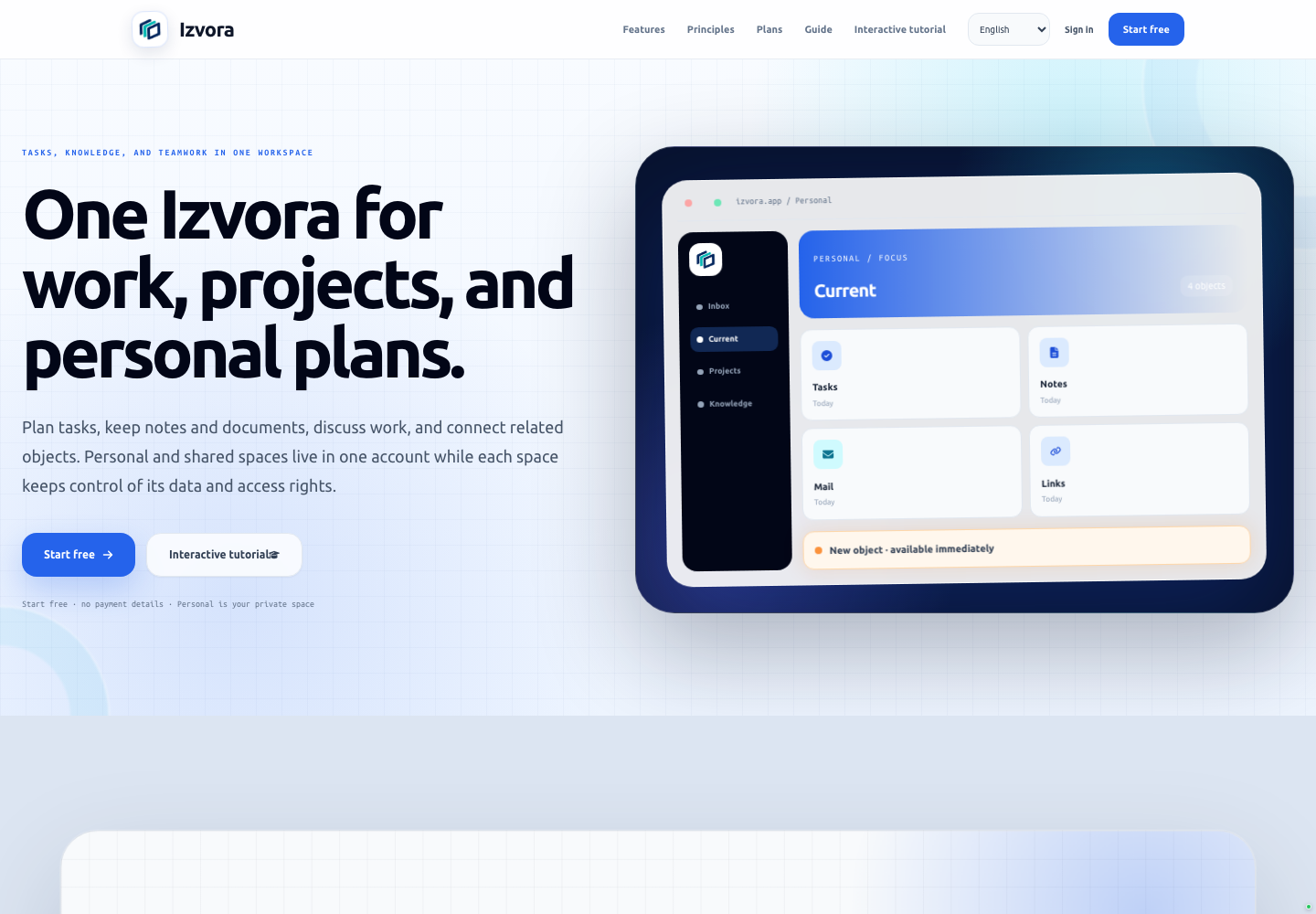
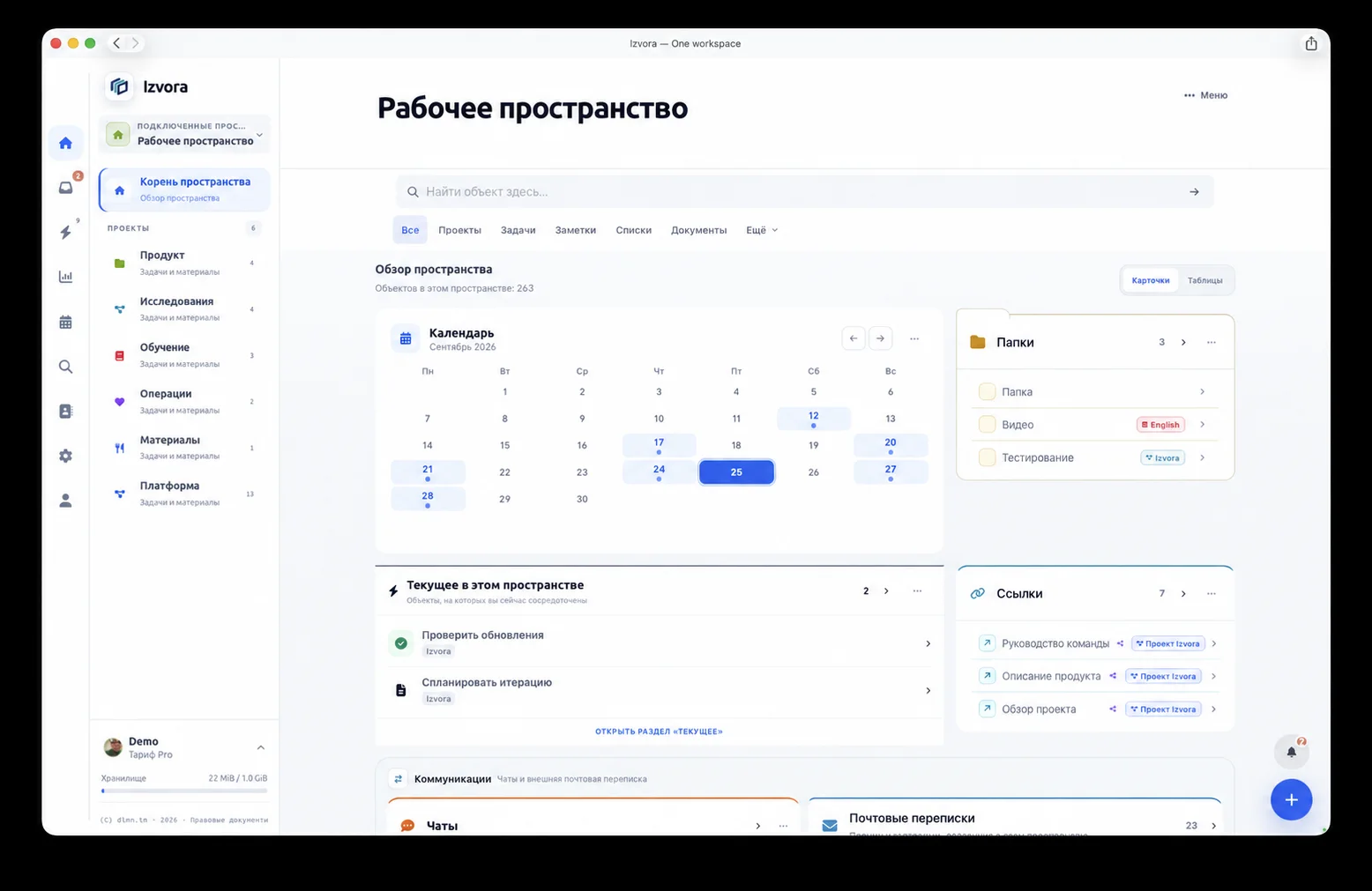
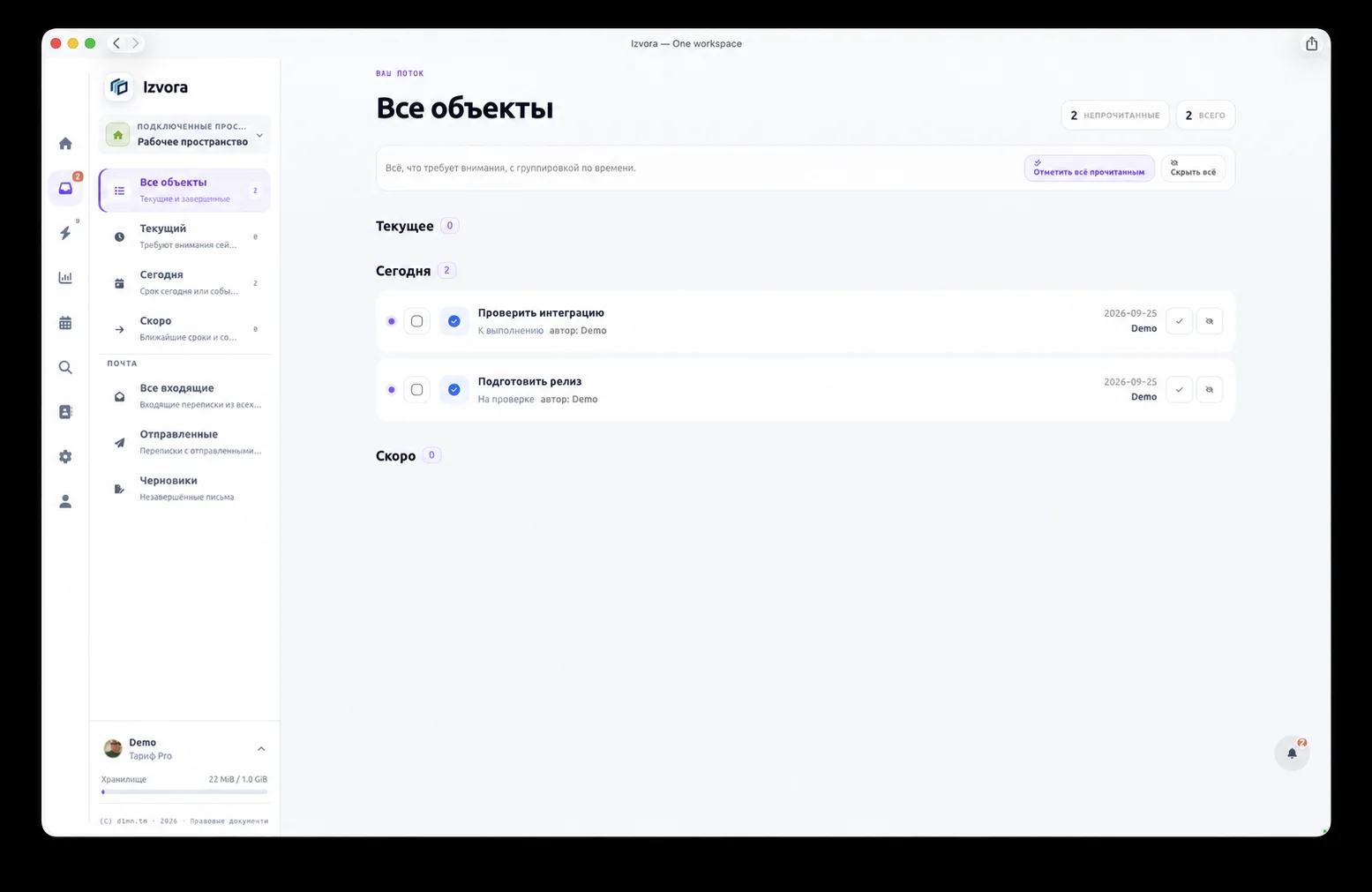
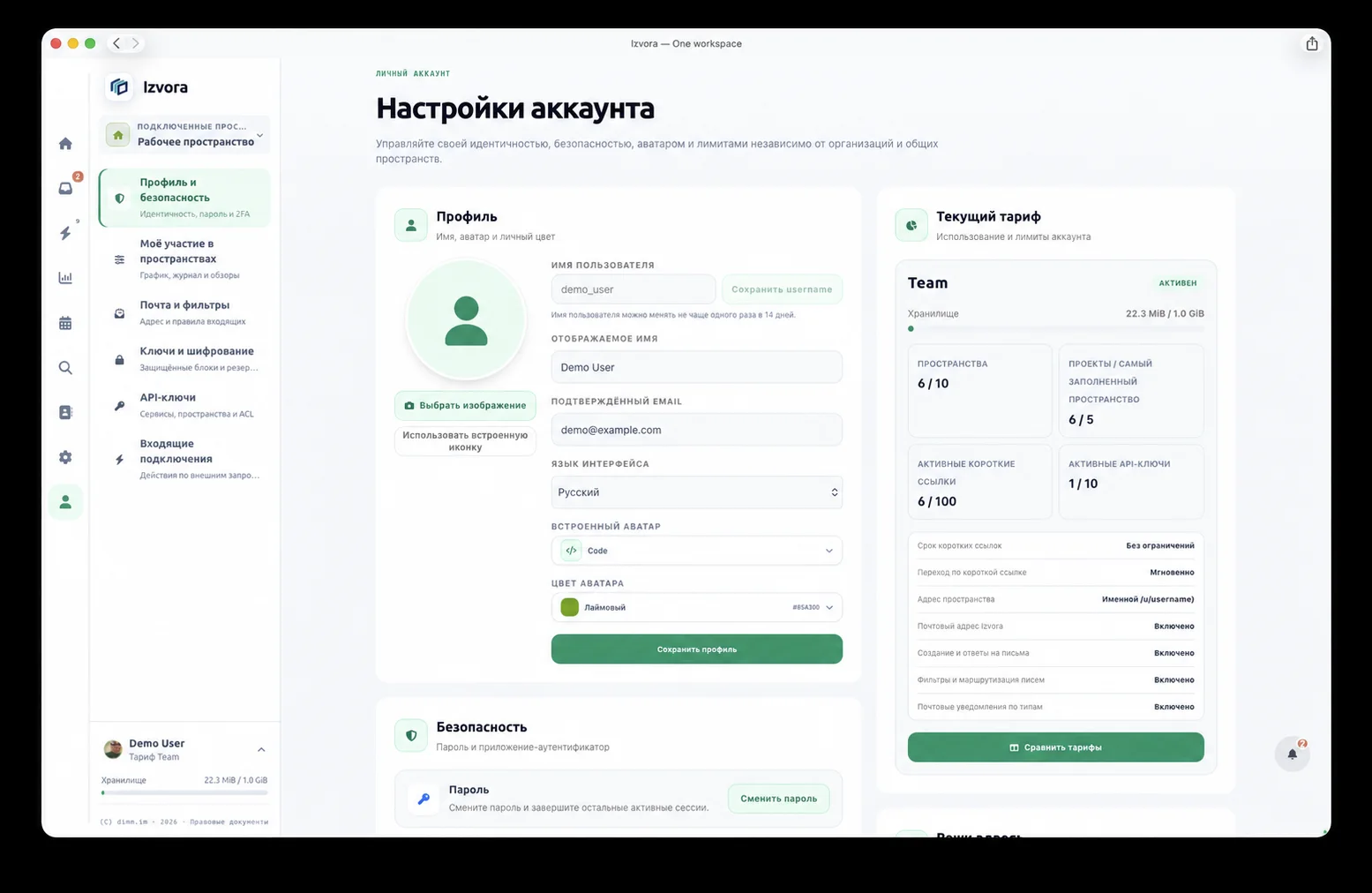
Izvora brings tasks, projects, notes, documents, knowledge and custom objects into one coherent space. It starts as a fast team task tracker and grows on a universal, connected data model - built for individuals, families and organisations alike.
Product vision, domain architecture and hands-on implementation across the Rust backend, Leptos interface, real-time collaboration, storage and deployment.
Business processes, made executable.
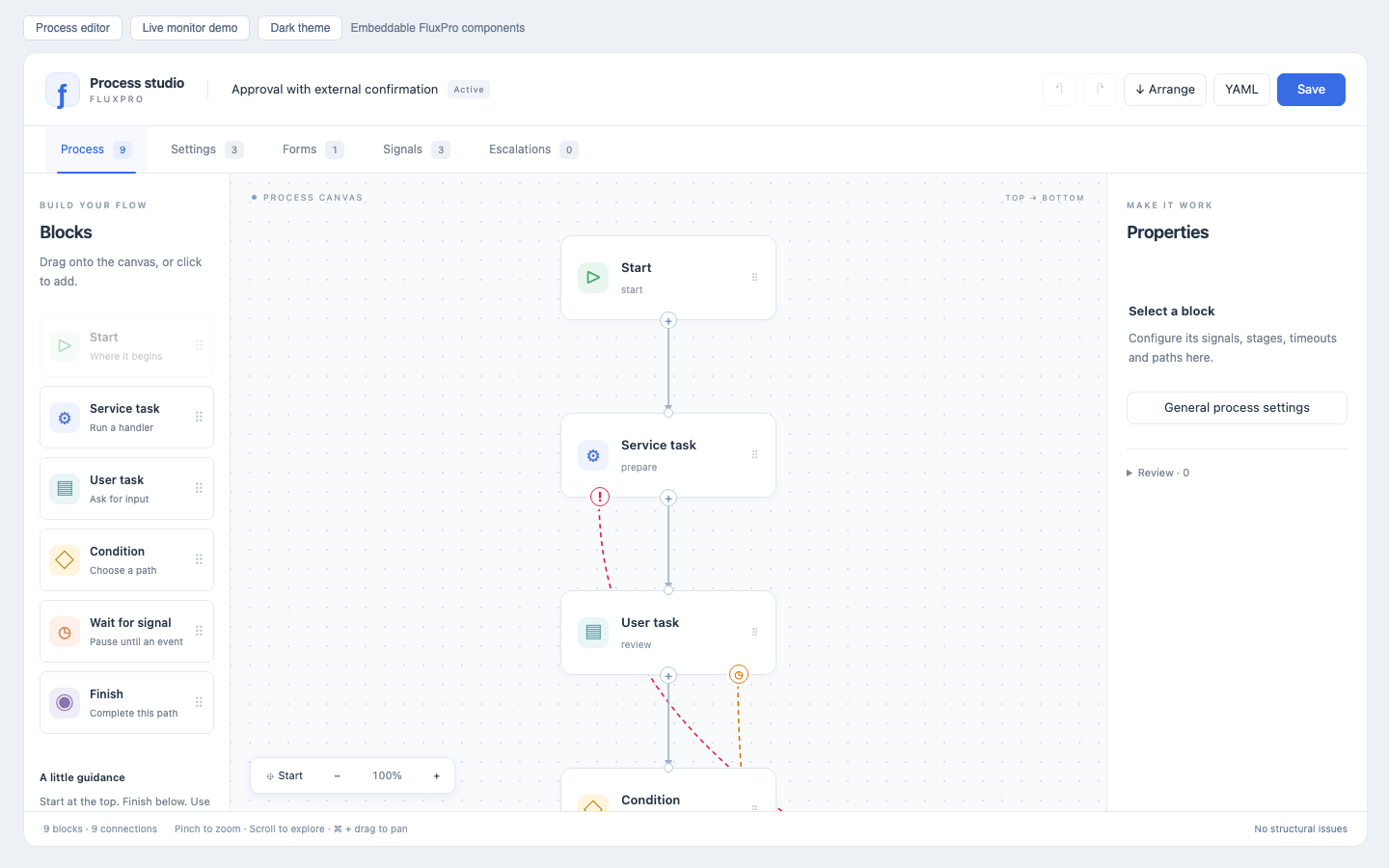
A feature-gated workflow engine for Rust: embeddable at its core, production-ready when the runtime is enabled, and visual when teams need to author or monitor processes. Durable transitions, leases, retries, signals and human tasks are first-class - not afterthoughts.
A declarative YAML DSL with six executable node types: Start, ServiceTask, UserTask, Gateway, Wait and End. Typed context, ordered Rhai conditions, forms, signals, business stages, ISO-8601 timers, retries, error routes and compensation live together in one versioned definition. Named Rust handlers connect that definition to domain code, while the same model drives validation, persistence, visual editing and live monitoring.
type: ServiceTaskwhen: ctx[...]timeout: PT15M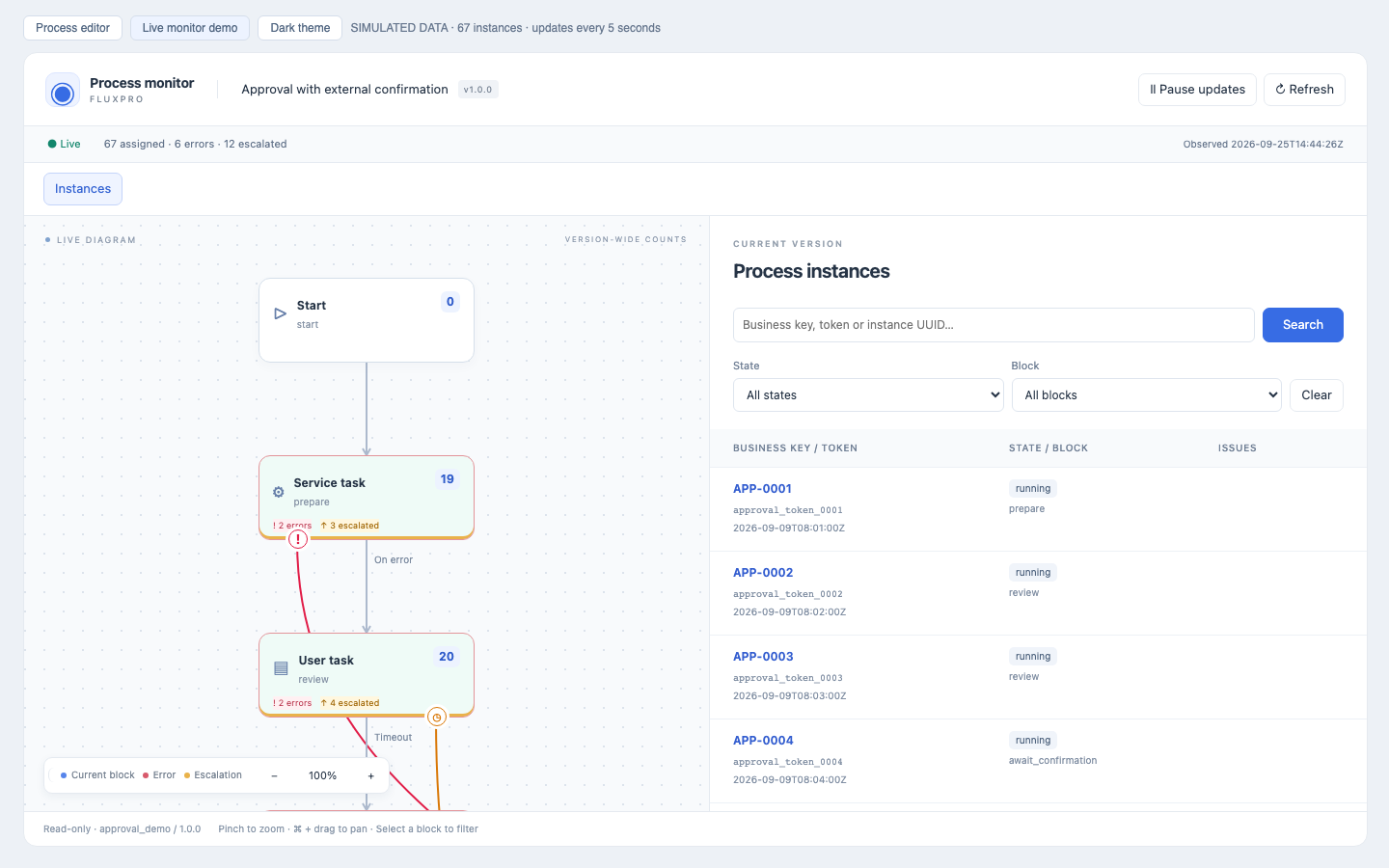
One idea. An entire lending operation.
LendIQ is an end-to-end operating platform for a lending business. It brings customer acquisition, onboarding, scoring, KYC and financial monitoring, credit decisions, contracts, disbursement, repayments, communications, collections and regulatory reporting into one coherent system. FluxPro orchestrates its long-running lending processes, making every transition, wait, retry, human decision and exception explicit, durable and observable.
LendIQ began as my idea. I defined the product and domain model, designed the architecture and built it from zero. I continue to lead the whole system - business rules, UX, services, data, workflows, integrations, deployment and evolution. It shows that I can hold a large product as one connected picture and make it real across every layer.
Capabilities
Turning real constraints, branching processes and human decisions into explicit, executable models.
Backend services, full-stack Leptos applications, async execution and careful performance work.
Lending, KYC, financial monitoring, credit registries, payments and audit-ready workflows.
REST APIs, file exchange, external providers and deployment constraints - designed as part of the product, not bolted on later.
The next serious thing
I’m open to focused conversations about product architecture, complex Rust systems, fintech platforms and ambitious technical partnerships.
Send a private note